1. The first call
Someone describes the home, the rooms affected and any deadline. No one needs every answer before calling.
Centerfield, UT · Sanpete County
Not sure where to start with a hoarding cleanup in Centerfield, UT? Call (877) 812-4220 and describe the home. The team explains how safety work, sorting and cleaning usually unfold, with no pressure.
If anyone is in danger, call 911 first. For a suicide crisis, call or text 988.
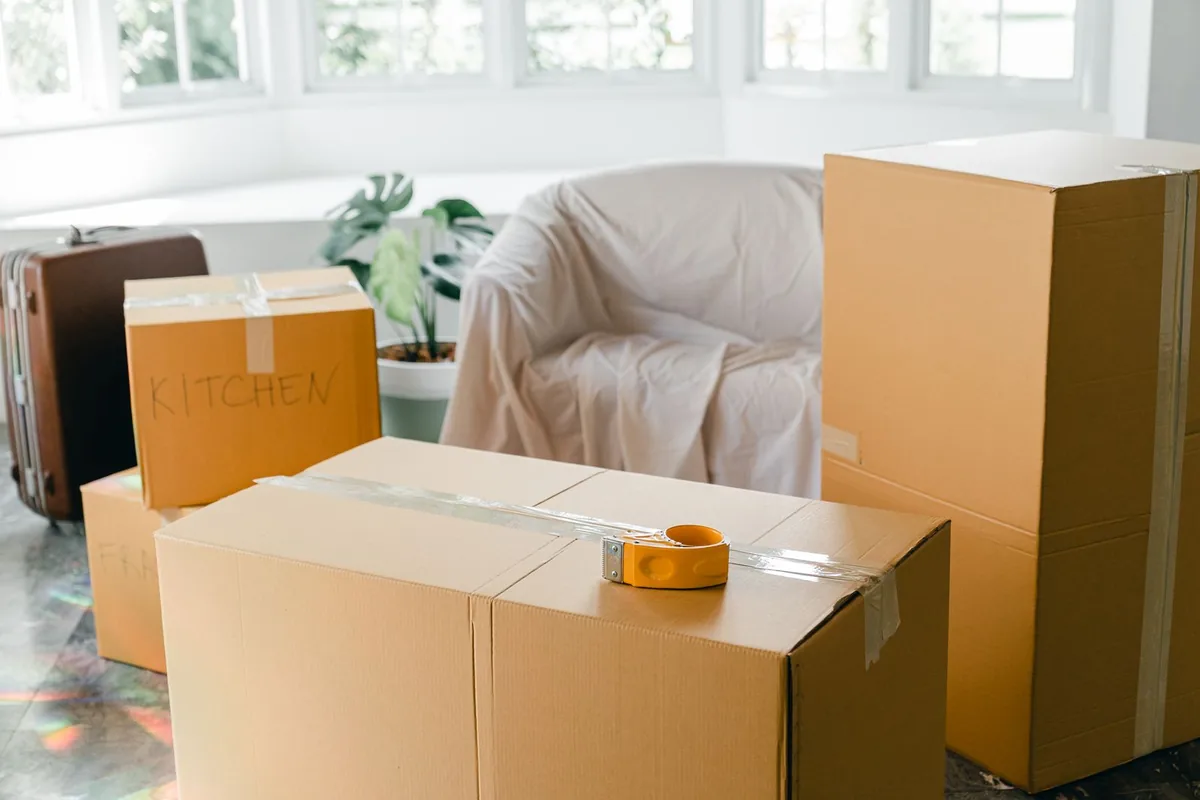
Hoarder house cleaning means making a crowded home safe to live in again. The cleanup team works room by room, sets aside valuables and papers, removes spoiled or damaged items and treats odor, mold and pests where they are found.
Every hoarding cleanup in Centerfield should be a private matter. You get crews who work quietly, speak respectfully and keep what the resident chooses to keep, whether you call Centerfield Biohazard Cleanup Help from Sanpete County or beyond.
Many homes in Sanpete County, about 44%, date from before 1980. Older floors and trim soak up moisture and odor, so the team checks them closely. About 16% of residents in Centerfield are sixty-five or older, and older adults often need a gentler pace, short sessions and clear paths for walkers.
A typical hoarding cleanup job includes:
Someone describes the home, the rooms affected and any deadline. No one needs every answer before calling.
A team member checks exits, stairs, utilities, pests and hazards. Findings are shared in plain words, without labels.
Exits, a path to the bathroom and the kitchen are cleared first. These changes lower fire and fall risks right away.
Surfaces are cleaned, disinfected and treated for odor. The team talks through upkeep, repairs and support for what comes next.
Expect hoarding cleanup in Centerfield, UT to cost roughly $500 to $25,000, with the final price set after an on-site assessment.
The cost of hoarding cleanup depends first on the size of the home and how much needs to be sorted and hauled. One crowded room is a very different job from a full house.
| Type of job | Typical range |
|---|---|
| Level 2 | $1,000 - $3,000 |
| Level 3 | $2,000 - $5,000 |
| Level 5, severe | $10,000 - $25,000+ |
| Level 4 | $5,000 - $15,000 |
Estimates only, not a quote. Sources: Dropcurb, Lifecycle Transitions. Price drivers include level of accumulation, home size, whether exits and rooms are blocked, pests or animal waste. Call (877) 812-4220 to talk through the job.
Yes. The resident decides what stays, what is donated and what is removed. Valuables, documents, photos and medicine are set aside first, and nothing leaves the home without agreement.
Often a lease or local housing or fire rules allow a landlord to set a deadline for safety. A tenant rights group, a code office or an attorney can explain what applies. A cleanup team can often work toward a deadline.
Not always, but it often helps. When the resident is present, sorting goes more smoothly and decisions are respected. If the resident cannot attend, the family or caller can set clear rules about what is kept.
Most often the resident or the property owner pays, and family members sometimes share the cost. In a rental, the lease and local law decide between landlord and tenant. Some local aging services or housing agencies help in some places, so it is worth asking.
A lightly crowded room with a willing resident can be a do-it-yourself project with gloves, a mask and a helper. Beyond that, hidden hazards, heavy items and the emotional strain make a team the safer choice.
A single lightly crowded room sometimes can. A whole house with heavy buildup usually takes several days or longer, and short sessions suit many residents. The team can give a realistic estimate after it sees the home.
Questions about cost, insurance or timing are part of the first conversation.
Call (877) 812-4220